They Don't Make 'em Like They Used To
Why Modern Appliances Break More, and What You Can Do About It.

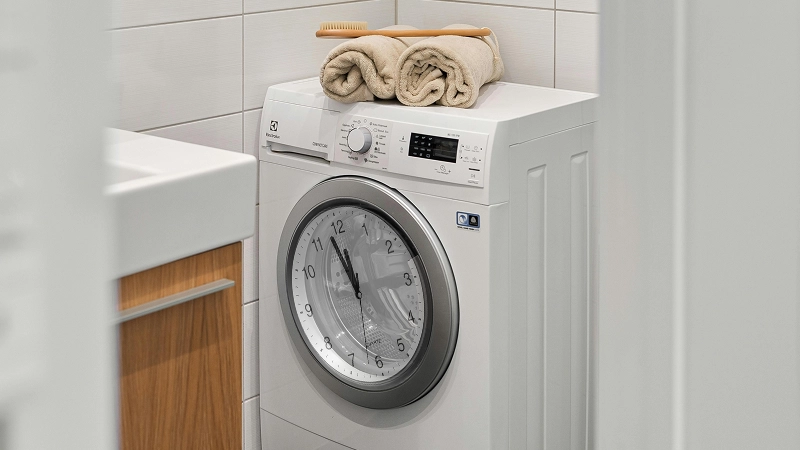
Ever feel like your appliances don’t last as long as they used to? You’re not imagining things.
Across the board, modern appliances from refrigerators and washing machines to ovens and dishwashers are breaking down more often and not holding up like the older models did. According to a 2021 and 2022 study from Consumer Reports, appliances purchased within the last decade are significantly more likely to need repairs than those bought 15 or more years ago.
The Shift Toward Planned Obsolescence
One of the major culprits is a manufacturing practice known as planned obsolescence. This means that many modern appliances are designed with shorter lifespans in mind. Instead of building a machine that lasts 20-30 years like manufacturers did in the mid-20th century, today’s products are often expected to last 8–12 years if you’re lucky.

More Electronics, More Points of Failure
Modern appliances are loaded with circuit boards, sensors, and software, which increase performance but also vulnerability. For instance, LG and Samsung smart fridges with Wi-Fi connectivity had the highest service rates in a 2022 Yale Appliance reliability report.
A Consumer Reports survey found that nearly 25% of appliance owners reported problems within the first four years, up from just 10% in the early 2000s. That’s a dramatic shift in reliability.
Cheaper Materials and Low Build Quality
Older machines were built like tanks. Today, lightweight plastic has replaced heavy-duty metal parts, which reduces manufacturing costs but leads to faster breakdowns.
• Metal interior basin vs. plastic
• Copper wiring vs. aluminum
• Bolted components vs. glued
According to a 2020 FTC review of appliance complaints, component failure due to poor materials is a rising cause of early breakdowns.

1980s Tank washer vs 2020s Cheap plastic Washer.
Complexity Makes Repairs Harder and Costlier
Older appliances could often be repaired with basic tools. Today’s models require proprietary parts, diagnostic software, and specialized labor. A single failed circuit board can cost $400+ to replace, more then most expect to pay for an entirely new unit.

A 2023 PIRG report stated:
“Most consumers are choosing replacement over repair due to high service costs and part unavailability.”
Tariffs and Supply Chain Woes Raise Costs Further
Since 2018, tariffs on imported steel and aluminum have raised manufacturing costs for U.S. based and foreign brands. COVID-era supply chain disruptions added to the squeeze.
According to the Bureau of Labor Statistics, appliance prices increased by 25% from 2019 to 2023. Meanwhile, delivery times extended due to parts shortages and overseas manufacturing delays. Tariffs proposed in 2025 may also make new appliances even more expensive in the short term.
But Not All Modernization is Bad
To be fair, modern appliances do offer some real improvements:
• Energy Efficiency: ENERGY STAR appliances save homeowners hundreds annually. Example: New refrigerators use 40-60% less energy than 1990s models.
• Smart Features: Apps and smart settings let users run loads remotely and receive maintenance alerts.
•Safety Enhancements: Leak detection, auto shutoffs, and child locks reduce risks.
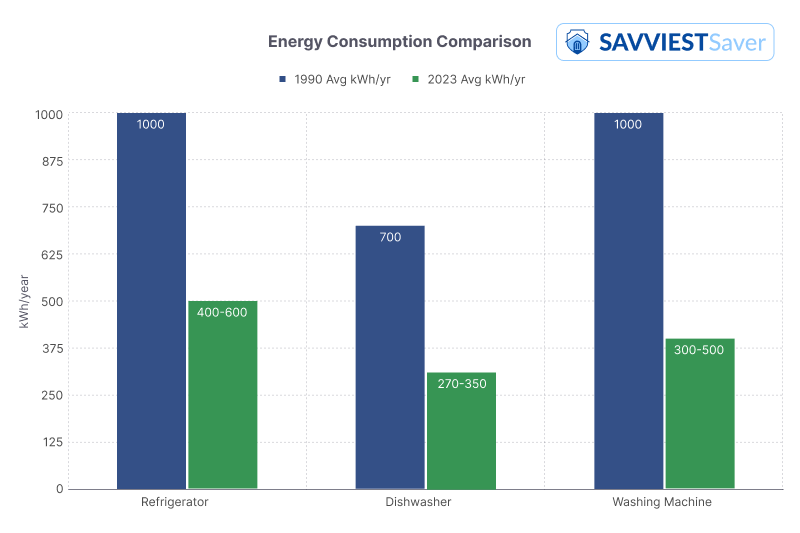
Source: U.S. Department of Energy.
What Can You, the Average Consumer, Do About It?
You shouldn’t have to replace a $1,200 appliance every 5-7 years. That’s where a home warranty comes in. These affordable plans cover the cost of repairs or replacements for appliances and systems that break down due to normal wear and tear.
Benefits of a Home Warranty:
• Covers major appliances and home systems
• Avoids unexpected out-of-pocket costs
• Easy claims process with vetted local technicians
Did You Know?
• 64% of homeowners with a home warranty said it saved them $500+ in their first year (Consumer View Survey, 2023).
• The average claim payout is $1,200 (National Home Warranty Association, 2022).


Final Thoughts
Appliances today offer innovation, but often at the expense of reliability. With planned obsolescence, cheaper materials, and rising prices, protecting your home is more important than ever.
A home warranty gives you peace of mind, savings, and support when you need it most.
Don’t wait until the next breakdown. Get the coverage you need today →
How Much Does a Home Warranty cost?