Home Warranty for Older Homes: Hidden Clauses & True Costs
Is a Home Warranty Worth It for Older Homes? Plumbing, HVAC & Hidden Clause Breakdown.

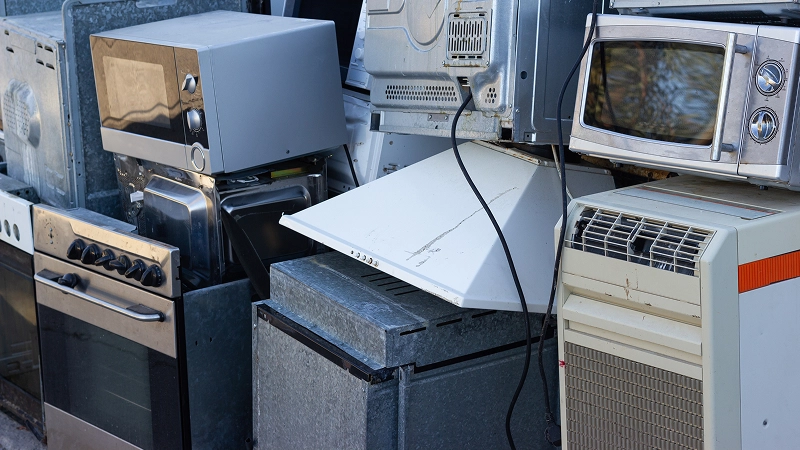
Homeowners spend an average of $17,000 per year on hidden homeownership costs. This makes a home warranty for older homes seem like a sensible safeguard. Warranty marketing heavily targets older properties in 2026. Providers promise budget protection. Premiums average $400 to $900 annually, or $35 to $80 monthly. Service call fees range from $75 to $125, according to AmeriSave Mortgage.
However, the reality of contract fine print paints a different picture for homes older than 30 years. Major mechanical systems (central air conditioning, gas furnaces, water heaters, and main plumbing lines) are frequently operating past their design lifespans in these properties. At Savviest Saver, we evaluate home maintenance using a total-cost-of-ownership lens. We help homeowners understand a warranty’s true actuarial value. We also reveal when it simply masks a high probability of claim denial.
The Actuarial Reality of a Home Warranty for Older Homes
To see if a warranty is viable, you must understand system age classifications.
Data from First Home Start Guide shows warranties have value in the Failure Zone. This zone is 75% to 100% of the expected lifespan. For example, an AC compressor lasts 15 years on average. The 9- to 13-year mark is the peak return window. Here, a warranty covers repairable issues well.
Hidden Home Warranty Clauses for Aging Houses
Reading the fine print is critical for a 30-year-old residence. Warranties use specific clauses that impact older homes:
- Wear-and-Tear vs. Neglect: Warranties require proof of annual maintenance. If previous owners failed to service the HVAC or water heater, your claim will likely be rejected for “improper maintenance.”
- Rust and Corrosion Exclusions: Policies routinely exclude components failing from rust. Sediment build-up is also excluded. These are primary failure modes in older pipes.
- Pre-Existing Condition Exclusion: This clause denies coverage for early wear. If failure started before the 30-day waiting period, it is denied. This applies even if it was completely undetected.
- Code Upgrade Exclusions: When older electrical panels or HVAC units fail, standard policies usually cap or exclude the costs required to bring replacements up to current 2026 municipal building codes.
Is a home warranty worth it for an older house with original plumbing?
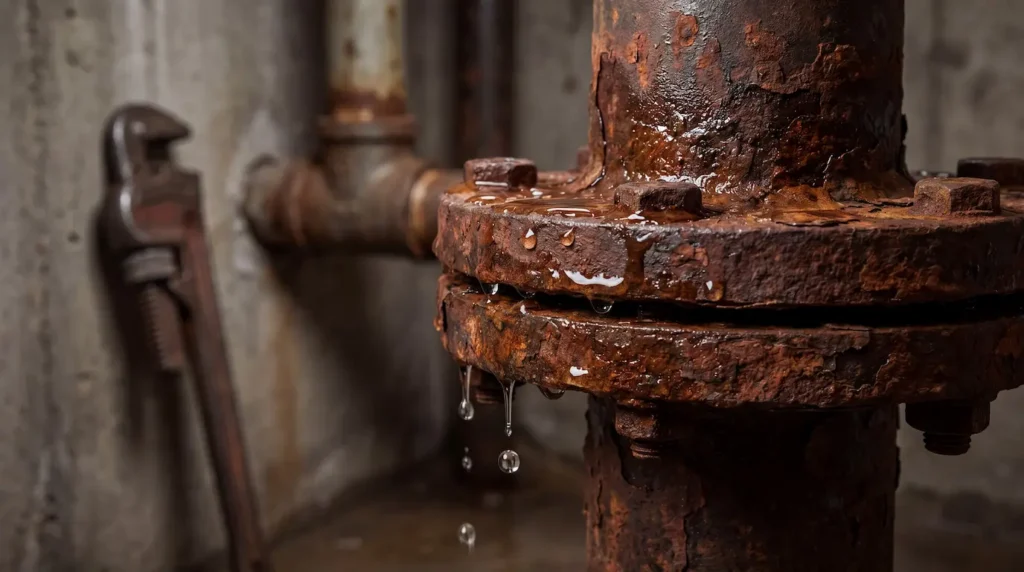
No, a standard home warranty for older homes is generally not worth it in this scenario. Providers systematically exclude older structural failures. This includes galvanized steel, polybutylene, and cast-iron pipes. A warranty may cover minor, isolated fixture leaks. It might clear accessible drain clogs within 100 feet. However, it is not comprehensive insurance for aging infrastructure.
Warranty companies deny comprehensive plumbing claims on older homes primarily through material and access exclusions:
- Galvanized Steel: Pre-1970s galvanized pipes rust from the inside out, leading to internal constriction and pinhole leaks. According to Formica Plumbing & Sewer Co. and Sweetwater Plumbing, this systemic corrosion is classified by warranty companies as “pre-existing wear” or is rejected under standard rust/corrosion clauses.
- Polybutylene (1978–1995): Home warranties treat this notoriously fragile piping as an uninsurable structural risk and will not pay for whole-home repiping.
- Cast-Iron Sewer Lines: Fixing cast-iron pipe collapse requires extensive excavation or trenchless relining that costs $5,000 to $15,000+, far exceeding standard warranty plumbing limits of $500 to $1,500, according to Saint Pete Plumbing.
- Slab Leaks: When a leak occurs underneath a concrete slab, warranties typically cap slab access and concrete cutting at $500 to $1,500. As documented by First American Home Warranty, this leaves the homeowner responsible for thousands in excavation and floor restoration costs.
Ultimately, full home repiping with modern materials costs between $4,000 and $12,000+, as noted by Plumbing Outfitters. No residential home warranty policy pays for system-wide repiping.
Home warranty plans that let you choose your own licensed contractor
While most national home warranty companies mandate the use of their internal network.
How the policies compare:
- America’s Preferred Home Warranty (APHW): Offers an unrestricted policy allowing any licensed and bonded contractor. Pre-approval is mandatory before any work begins, and direct card payment is available over the phone. (APHW Choose Your Own Contractor Guide)
- AFC Home Club: Allows any licensed and insured technician of your choice. The contractor must submit a diagnosis and estimate for approval prior to performing service. (AFC Home Club Review)
- Old Republic Home Protection: Operates on a “network first” basis. Self-choice is only permitted with prior authorization if no network technician is available in your local zip code.
- American Home Shield (AHS): Enforces a strict network. Outside technicians are only allowed with prior consent if AHS cannot assign a contractor within 48 hours.
If you use a flexible provider, the process is strict: you must file a claim first, have the contractor diagnose the failure and call the warranty company from the job site, and wait for the provider to authorize the reimbursement amount. If work is done without pre-approval, claims are universally denied.
Best ways to finance aging in place bathroom remodel using house value
The best ways to finance an aging in place bathroom remodel using your house value include a Home Equity Line of Credit (HELOC), a Home Equity Conversion Mortgage (HECM) for homeowners aged 62 or older, and fixed-rate home equity loans. Renovating a bathroom for aging safely (installing zero-threshold curbless walk-in showers, ADA-compliant grab bars, widened doorways, and roll-under vanities) costs an average of $10,000 to $35,000+.
Rather than draining emergency cash reserves, Savviest Saver recommends homeowners leverage their accrued home equity through these primary vehicles:
1. Home Equity Line of Credit (HELOC)
A revolving credit line secured by home equity. Borrowers draw funds as project milestones occur and pay interest only on the drawn balance during the initial 10-year draw period. It requires a minimum 15%-20% equity remaining and a credit score of 620-680+, according to LendingTree. It is ideal for phased renovations with fluctuating plumbing costs.
2. Home Equity Conversion Mortgage (HECM)
Also known as a reverse mortgage, this FHA-insured loan is available to seniors aged 62 or older. The key advantage is that it requires no monthly mortgage payments as long as property taxes, insurance, and maintenance obligations are fulfilled. As highlighted by Finance of America and the National Council on Aging (NCOA), payouts can be taken as a line of credit that grows over time. HUD guidelines note this is best for retirees on fixed incomes.
3. Home Equity Loan:
A fixed-rate second mortgage that delivers a lump-sum payout with a predictable monthly payment over 5 to 30 years. Best for those with a fixed contractor bid.
4. FHA Title I & 203(k) Loans
Government-backed loans structured for rehabilitation and accessibility. The Mortgage Reports notes that Title I loans up to $25,000 do not require substantial equity, making them accessible to recent buyers.
5. Home Equity Sharing Agreements (HEAs):
An investor provides upfront cash in exchange for a share of the home’s future appreciation. There are no monthly payments, making it viable for seniors with substantial equity but lower credit scores.

Funding in 30-60 days
Unlock – Home Equity Agreement
NMLS ID #2657081
Access $15K to $500K from your home’s equity with flexibility and no monthly payments.

Funding in 3 weeks
Point – Home Equity Agreement
NMLS ID #1610752
Receive up to $600k of your home equity, your way. Choose maximum flexibility.

Funding in 2+ weeks
Splitero – Home Equity Investment
NMLS ID #2327455
Receive up to $500,000 of your home equity, without another monthly payment.
The Verdict: Warranty vs. The Sinking Fund Strategy
While a home warranty for older homes can be tricky, standard policies are a sound investment for systems aged 8 to 14 years. Mechanicals will likely experience repairable, covered issues then.
Find the right coverage for your home’s systems and appliances →
However, if your home’s systems and original plumbing are over 15 to 20 years old and have entered their End-of-Life zone, standard warranties rarely pay out. Instead of spending $600 to $1,000 annually on premiums and service fees for a contract that will likely deny claims for pre-existing corrosion or code upgrades, Savviest Saver recommends self-insuring. Setting up a dedicated high-yield savings account (HYSA) sinking fund with deposits of $100 to $200 per month will better prepare you for out-of-pocket replacements. When major capital investments are required, leveraging home equity is far more reliable than fighting a warranty claim denial.
Disclaimer
SavviestSaver.com is an independent, advertising-supported website. We may receive compensation from companies and partners featured on our website when users click on certain links, submit an application, or take other qualifying actions. This compensation may influence how and where offers are displayed, but it does not determine our editorial opinions or recommendations.
The information, opinions, reviews, and recommendations published on SavviestSaver.com are provided for general informational and educational purposes only. They are based on information available to us at the time of publication and do not constitute financial, legal, tax, or investment advice. Readers should independently evaluate any product or service and review its terms, conditions, fees, eligibility requirements, and risks before making a decision.
SavviestSaver.com does not provide, originate, or guarantee financial products or services. We are not responsible for the products, services, websites, content, offers, or practices of third-party companies. Any decision to apply for, enter into, or use a financial product or service is made solely by the consumer and the applicable provider.
Company names, product names, logos, and trademarks mentioned on this website belong to their respective owners. Their appearance on SavviestSaver.com does not necessarily imply an endorsement, partnership, affiliation, or sponsorship unless expressly stated.
We make reasonable efforts to keep the information on our website accurate and up to date. However, financial products, rates, terms, eligibility requirements, and other details may change. Information on SavviestSaver.com should not be relied upon as a substitute for reviewing information directly from the provider. We encourage readers to verify all relevant details with the company offering the product or service.
Home Equity Agreement Disclaimer
Home Equity Agreements (HEAs), and Home Equity Investments (HEIs), are not traditional loans and may have different terms, costs, and regulatory treatment depending on the provider and the state in which you live. An HEA generally involves receiving funds today in exchange for sharing a portion of the future value or appreciation of your home.
Because the agreement is secured by an interest in your home, certain events (such as selling the property, refinancing, or reaching the end of the agreement term) may trigger repayment or settlement obligations. Depending on the terms of the agreement and changes in your home’s value, the amount you ultimately owe or give up may be greater than the amount you initially received.
Before entering into an HEA or HEI, carefully review the complete agreement, including fees, settlement terms, valuation methods, repayment obligations, and any potential impact on your home. Consider consulting a qualified financial, legal, or tax professional to determine whether the product is appropriate for your individual circumstances.
SavviestSaver.com does not guarantee that any particular home equity product is suitable for your financial situation or that you will qualify for any offer discussed on this website.
Find the right coverage for your
home’s systems and appliances